A Complete Guide to Entering the French Market for American Jewelry Brands
French entry market for american jewelry brands
For many American jewelry brands, expanding into France feels like a natural milestone.
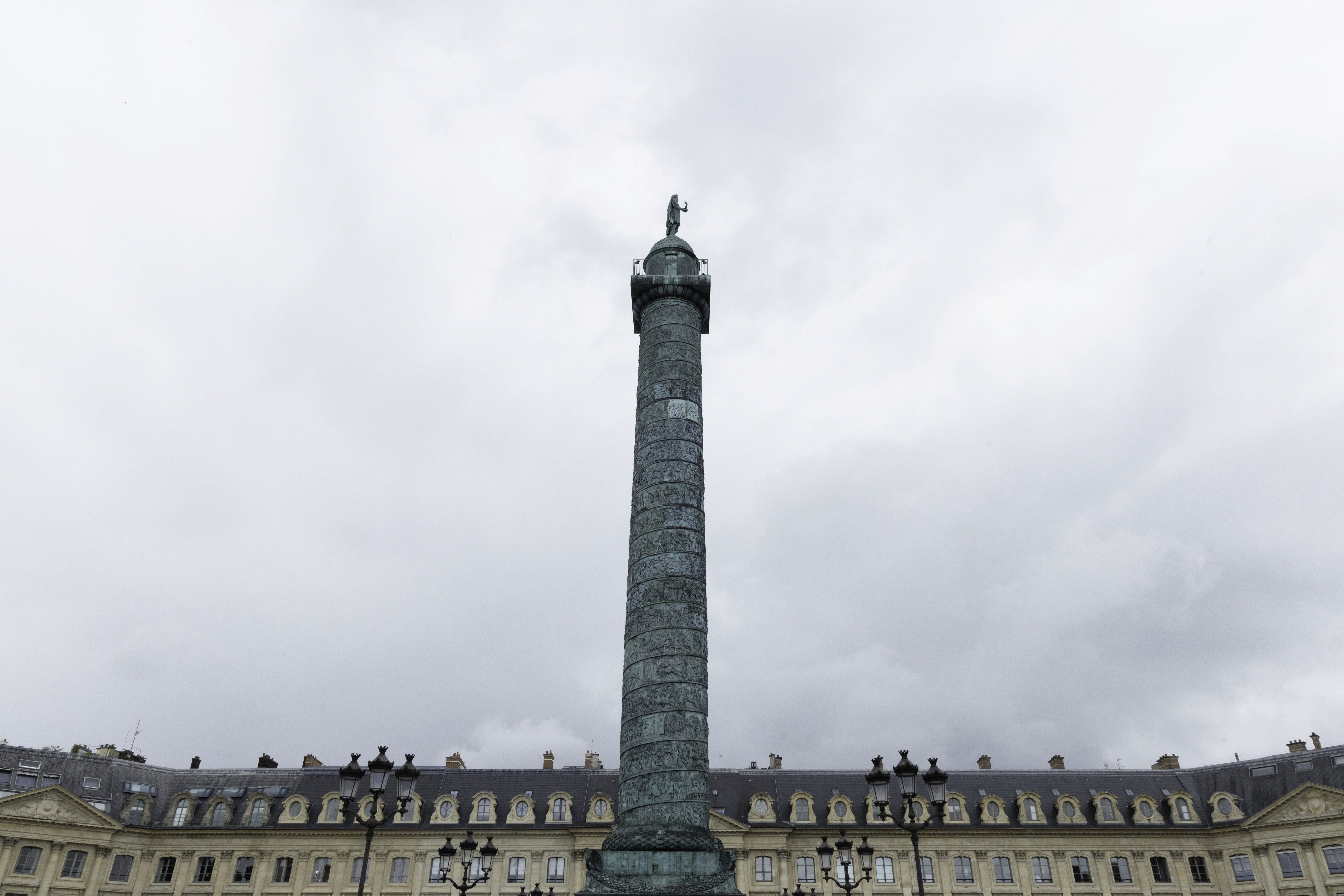
Paris remains one of the world's most influential luxury capitals. It is home to exceptional craftsmanship, internationally recognized retailers, renowned trade shows, and a customer base that has shaped the standards of fine jewelry for generations.
Yet entering the French market is rarely as straightforward as it appears.
What works in New York, Los Angeles or Miami does not necessarily resonate in Paris. Distribution models differ, consumer expectations are higher, and regulatory requirements can quickly become obstacles for brands that are unfamiliar with the local market.
Over the years, we have worked with international jewelry brands navigating this transition. While every project is different, the challenges tend to be remarkably similar.
This guide explores the strategic, commercial, and operational considerations every American jewelry brand should address before entering France.
Why France Still Matters
France is not simply another European market.
For many international brands, it represents a form of legitimacy.
A successful launch in Paris sends a strong signal to retailers, distributors, and clients worldwide. The French market remains closely associated with craftsmanship, luxury and creative excellence, making it an important step for brands seeking international recognition.
However, this prestige also comes with higher expectations.
French clients and tourists visiting Paris tend to be particularly sensitive to product quality, design coherence, pricing logic and brand storytelling. They are accustomed to comparing emerging brands with established maisons that have spent decades refining every aspect of their identity.
This means that entering France is rarely about selling products. It is about building credibility.
Before Looking for Retailers, Clarify Your Positioning
One of the most common mistakes we see is brands starting with distribution.
They look for stockists, showrooms, or sales agents before taking the time to assess whether their positioning is truly adapted to the French market.
Retail follows strategy, not the other way around.
Before approaching buyers, it is worth asking a few fundamental questions.
How is the brand perceived today?
What makes it distinctive within the competitive landscape?
Is the pricing consistent with the level of craftsmanship and customer experience?
Does the collection communicate a coherent point of view?
The stronger these foundations are, the easier commercial conversations become.
Understanding the French Distribution Landscape
Unlike the US market, where direct-to-consumer channels often dominate growth strategies, France offers a more fragmented ecosystem.
Depending on the brand, distribution may include:
independent fine jewelry retailers;
concept stores;
department stores;
luxury marketplaces;
temporary showrooms;
direct e-commerce.
Choosing the right channel depends on far more than sales potential.
It also influences brand perception.
A young contemporary brand should not necessarily pursue the same retail strategy as an established fine jewelry maison.
The objective is not to be present everywhere.
It is to be present in the right places.
French Regulations Should Never Be an Afterthought
Operational readiness is often underestimated.
Before products can be commercialized in France, brands must comply with specific legal and regulatory requirements.
This includes customs procedures, VAT obligations, and, for precious metals, French hallmarking requirements.
These administrative steps are rarely complicated in themselves. What makes them challenging is understanding the sequence, responsibilities, and local processes. Preparing these elements early avoids unnecessary delays when commercial opportunities arise.
Hallmarking Is More Than an Administrative Requirement
Many international brands discover the French hallmarking process only after securing their first retailer.
At this stage, timing becomes critical. French regulations require precious metal jewelry to comply with local hallmarking standards before products can be legally commercialised. Planning this process in advance significantly simplifies market entry. For brands without an established structure in France, working with a local partner capable of managing these procedures can considerably reduce complexity and accelerate commercialization.
Building the Right Network
Success in France is rarely built through transactions alone. Relationships matter: with manufacturers, retailers, press, trade organizations, and industry experts.
Having access to the right network not only opens doors but also helps brands better understand local expectations and avoid costly strategic mistakes.
For many international founders, this local perspective becomes as valuable as the commercial opportunities themselves.
Think Beyond the Launch
Launching in France is only the beginning. The brands that succeed over time are those that continue investing in their local presence.
That may involve adapting collections, strengthening retail partnerships, participating in industry events, or refining their communication to better resonate with French audiences. Market entry should therefore be considered as a long-term growth strategy rather than a single commercial milestone.
How JWLR Studio Supports International Jewelry Brands
Entering France requires more than operational support. It requires a partner capable of combining strategic thinking with local execution.
At JWLR Studio, we help international jewelry brands define their market entry strategy, identify the right opportunities, and coordinate every stage of their development in France including hallmarking and compliance with customs.
By combining international luxury experience with an established network across the French jewelry industry, we help brands enter the market with clarity, confidence and credibility.
Final Thoughts
France remains one of the most rewarding markets for jewelry brands willing to invest in a thoughtful, long-term approach. The opportunities are significant, but so are the expectations. Brands that succeed are rarely those that move the fastest. They are those that arrive prepared, with a clear positioning, a coherent product offering and a genuine understanding of the market they are entering.