Jewelry branding: why aesthetic alone is not enough
In jewelry, beauty is expected. It is not a differentiator.
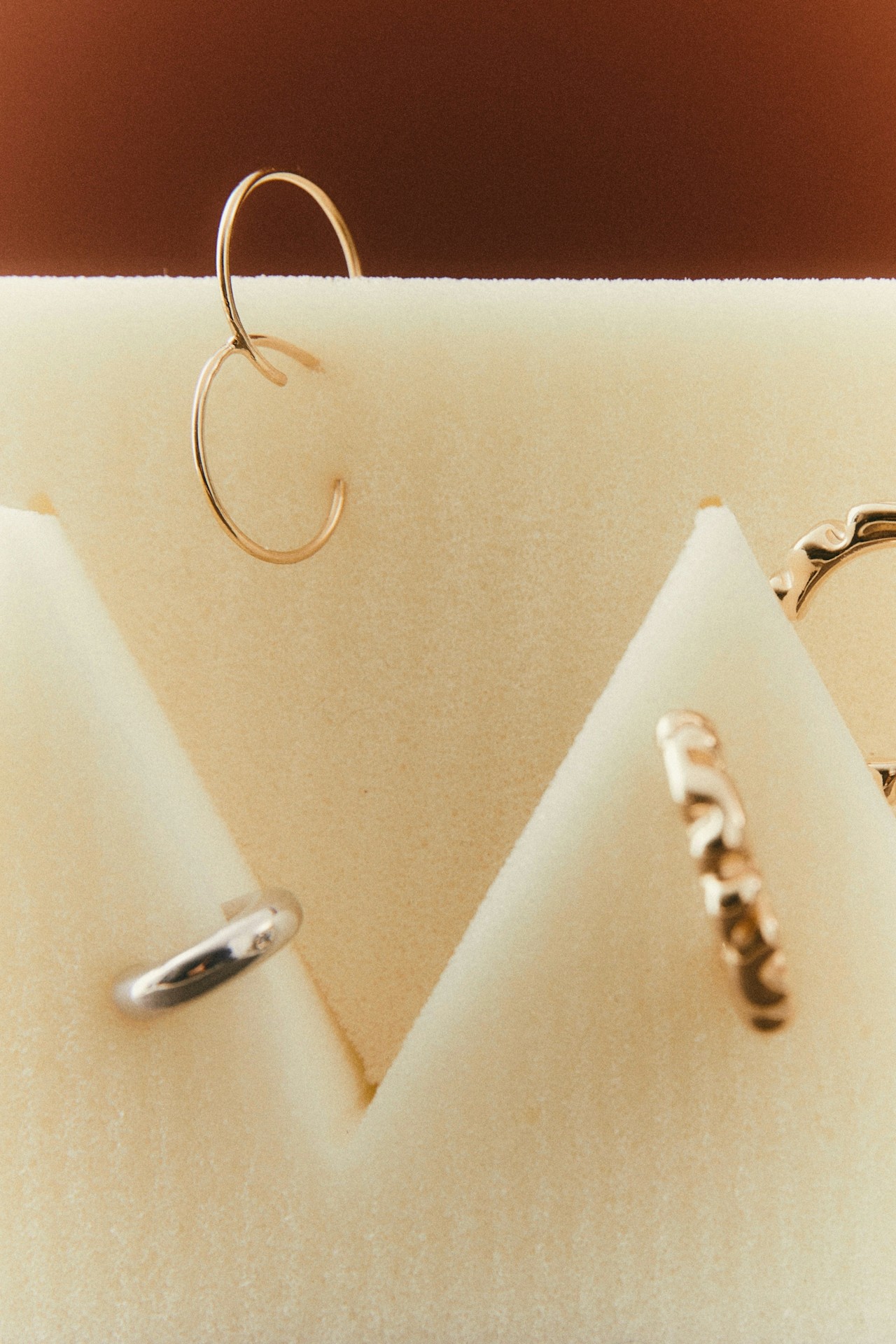
Spend an hour scrolling through the jewelry landscape and a pattern emerges. Beautiful photography. Refined typography. Carefully curated feeds. An aesthetic that signals luxury without quite defining it. Brand after brand appears distinctive - until you realize they all look the same.
Aesthetics are not the problem. They are the starting point. The problem is mistaking them for a strategy.
The illusion of visual differentiation
Many jewelry brands invest heavily in how they look and almost nothing in what they stand for. The result is a market saturated with beautiful things that feel interchangeable. Clients sense this even when they cannot articulate it. They admire the product but feel no particular pull toward the brand. They buy once, maybe, but do not come back with the kind of loyalty that builds a maison.
Visual codes can be replicated. Positioning cannot.
What branding actually is
Branding is not about making things look premium. It is about defining what your brand stands for, who it is genuinely for, and why it matters in a market full of alternatives. It is the answer to the question a client asks - consciously or not - before deciding whether a brand deserves their attention, their trust, and eventually their money.
Without that clarity, even the most refined aesthetic is decoration. It attracts the eye without capturing the imagination.
The three things every strong jewelry brand is built on
Positioning is the strategic anchor of the brand. It defines where the brand sits in the market, who it speaks to, and what space it occupies that no one else does. Without positioning, every other decision becomes arbitrary - collections, pricing, communications, everything.
Narrative is what gives the brand emotional depth.
Jewelry is one of the most intimate categories in luxury. Clients do not just buy objects. They buy meaning, memory, and the feeling of belonging to something. A compelling narrative creates that resonance - and sustains it long after the initial attraction.
Consistency is what transforms a strong launch into a strong brand. Recognition builds through repetition. Trust builds through coherence. Every visual, every piece of communication, every product decision either reinforces the brand or quietly erodes it. There are no neutral choices.
Why branding is a business decision, not a creative one
Branding is often treated as something intangible - the soft side of building a business. In practice, it is one of the most direct levers of commercial performance. A clear brand commands higher prices because clients understand what they are paying for. It converts better because it reduces hesitation. It retains clients because it creates attachment, not just satisfaction.
The brands that grow without diluting themselves are those that made the shift from visual thinking to strategic thinking early enough. From asking "how should this look?" to asking "what should this mean?"
Because in jewelry, beauty opens the door. But it is meaning that makes people stay.